Expert Solar Energy Services in West Vancouver for Commercial Properties
Leverage Solar Power: Reasons to Think About Solar Panel Installation for Your Home
Solar panel systems provide a practical solution for homeowners looking to lower energy costs and boost property value. By converting sunlight into electricity, these systems offer both financial and environmental benefits. Still, many remain uncertain about the specifics of solar technology and the available incentives. Understanding these aspects is crucial for making an informed decision. What factors should homeowners consider before making the switch? The following sections will provide essential insights.
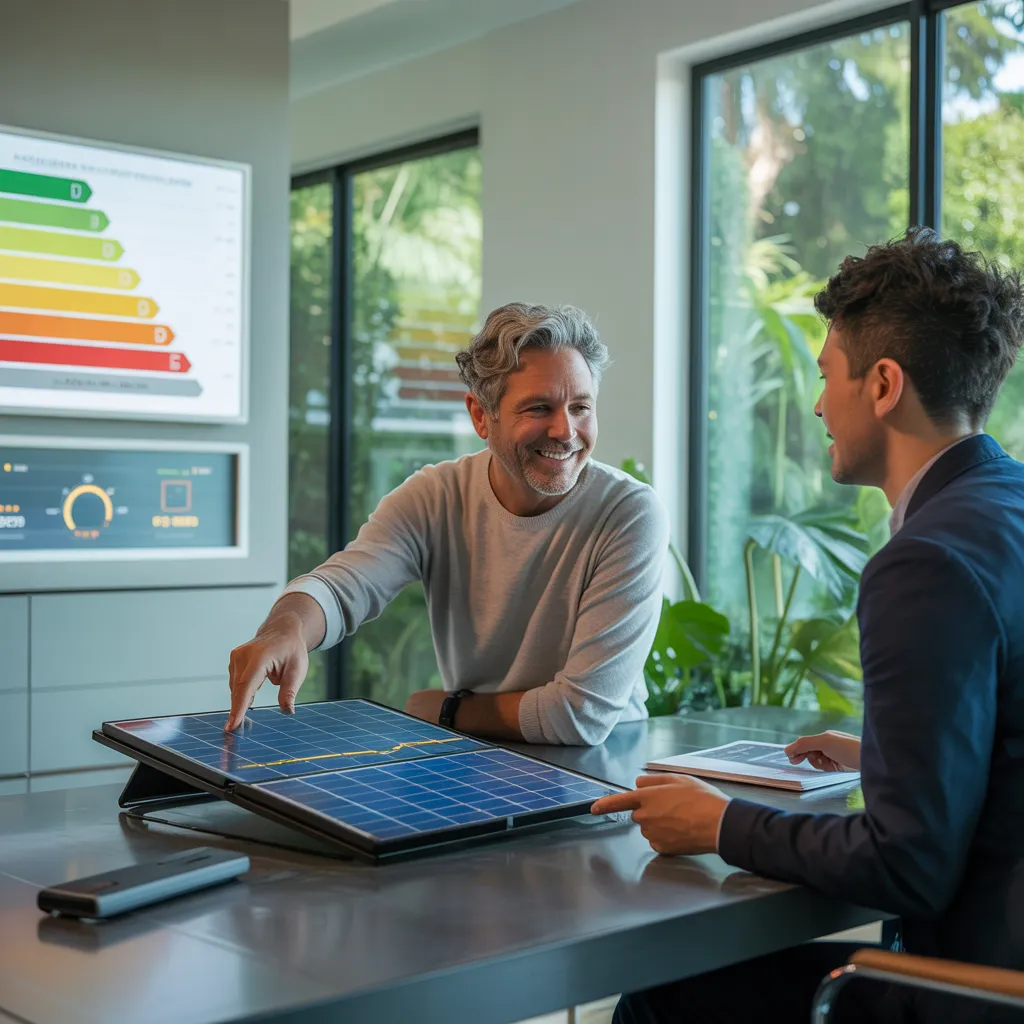
Comprehending Solar Power Technology: How It Operates
Solar power systems capture sunlight to produce electrical energy, making it an essential component of renewable energy systems. This process starts with photovoltaic (PV) cells, typically made from silicon, which capture solar energy and transform it into direct current (DC) electricity. When sunlight strikes the PV cells, electrons are dislodged, creating an electric flow. This DC electricity is then changed into alternating current (AC) by an inverter, making it suitable for home use.
In addition to PV cells, solar thermal technology collects sunlight to heat water or air for residential uses. Solar panels can be placed on rooftops or in open spaces, optimizing exposure to sunlight. Moreover, advancements in energy storage technologies, such as batteries, permit homeowners to utilize solar energy even during non-sunny periods. In summary, understanding the fundamentals of solar technology is essential for homeowners considering this sustainable energy alternative.
Financial Gains from Installing Solar Panels
The financial benefits of installing solar panels are significant and multifaceted. Residential owners can look forward to ongoing energy bill savings, coupled with numerous tax advantages and rebates that strengthen the investment's affordability. Grasping these economic advantages can assist potential investors in making knowledgeable decisions.
Long-Range Financial Savings Opportunities
Purchasing solar panels can generate substantial long-term financial rewards for homeowners. By harnessing solar energy, homeowners can dramatically reduce their monthly electricity expenses, often producing savings that grow over the years. The initial investment in solar technology typically pays off within a few years, after which the energy generated is fundamentally free. Furthermore, solar panels can boost property value, making homes more appealing to potential buyers. With energy prices expected to rise, homeowners insulated from these fluctuations can experience stable savings. Furthermore, solar systems require minimal maintenance, guaranteeing lower ongoing costs. All things considered, the financial advantages of solar panel installation make it a wise choice for those looking to improve their long-term financial stability.
Tax Incentives and Rebates
When examining the monetary gains of solar panel installation, homeowners may find tax incentives and rebates to be compelling factors. Many governments supply tax credits that substantially cut the upfront cost of solar systems. For example, the federal solar investment tax credit (ITC) allows homeowners to deduct a percentage of their solar installation costs from their federal taxes. Furthermore, various states and local jurisdictions give rebates, which can also reduce expenses. These incentives not only make solar easier to afford but also boost the return on investment over time. Homeowners should explore available programs in their area to increase financial savings while contributing to a more sustainable future. Such incentives can really make solar energy an compelling option.
How Solar Energy Reduces Your Carbon Footprint
Solar panels play an essential role in reducing an individual's carbon footprint by decreasing reliance on fossil fuels. They emit minimal carbon dioxide during operation, resulting in fresher air and a better environment. Moreover, solar energy stands as a clean power source that can help combat climate change.
Decreased Conventional Fuel Dependence
As house owners continuously look for sustainable energy solutions, the switch to solar panels has emerged as a pivotal strategy for reducing dependence on fossil fuels. By harnessing sunlight, solar panels create clean energy, effectively reducing the need for traditional energy sources such as coal, oil, and natural gas. This transformation not only lessens reliance on finite resources but also promotes energy independence. Homeowners can create their own electricity, lowering vulnerability to fluctuating fossil fuel prices and energy supply disruptions. Furthermore, widespread solar adoption can drive demand for renewable technologies, stimulating innovation and infrastructural improvements. Finally, solar energy empowers homeowners to make environmentally conscious choices that contribute to a more sustainable future while mitigating the adverse effects associated with fossil fuel extraction and consumption.
Minimum Greenhouse Gas Release
The move toward solar energy not only strengthens energy independence but also notably lowers greenhouse gas emissions. By harnessing sunlight, solar panels generate electricity without discharging carbon dioxide or other harmful pollutants generally associated with fossil fuel consumption. This clean energy source significantly reduces an person's carbon footprint, contributing to a healthier environment. As more households adopt solar technology, the cumulative effect produces a substantial decline in overall greenhouse gas emissions on a larger scale. Furthermore, solar energy systems often create power during peak sunlight hours, further eliminating the need for coal or natural gas-generated electricity. Eventually, the transition to solar energy supports global efforts to combat climate change and promotes a sustainable future for generations to come.
Benefits of Sustainable Energy Sources
When transitioning to solar energy, homeowners can markedly reduce their carbon footprint through the use of solar panels. By utilizing sunlight, solar panels create clean electricity, greatly minimizing reliance on fossil fuels. This change leads to a marked reduction in greenhouse gas emissions, supporting a healthier environment. Furthermore, solar energy systems require minimal maintenance and have a long lifespan, making them a sustainable investment for energy-conscious homeowners. The adoption of solar technology not only decreases individual carbon footprints but also promotes the development of renewable energy infrastructure. As more homes shift to solar power, the cumulative effect can lower carbon emissions on a larger scale, encouraging a sustainable future for generations to come.
What Incentives and Rebates Are Available for Going Solar?
What financial incentives and rebates can homeowners access when considering solar energy? Many financial incentives can significantly lower the initial costs of solar panel installation. At the federal level, the Solar Investment Tax Credit (ITC) allows homeowners to deduct a percentage of their solar system costs from their federal taxes. Additionally, many states offer their own tax credits, rebates, or grants to further incentivize solar adoption.
Power companies might also supply rebates for solar installations, together with performance-based incentives that compensate homeowners for the energy their systems generate. In addition, some local governments have initiatives focused on promoting renewable energy, which can include subsidized loans or property tax breaks for solar installations.
These economic benefits collectively boost the affordability of solar energy, making it an increasingly attractive option for homeowners wanting corresponding information to put money into sustainable energy solutions.
Picking the Right Solar Panel System for Your Home
Choosing the ideal solar panel system for a house can feel intimidating, but comprehending key factors simplifies the decision-making process. Homeowners should start by evaluating their energy demands, analyzing past electricity bills to determine consumption patterns. Next, they should assess the available roof space and guarantee it receives ample sunlight throughout the day.
The performance efficiency of solar panels represents another key element; high-efficiency panels typically involve higher upfront expenses yet yield improved long-term returns. Furthermore, homeowners should research different types of solar panels, such as monocrystalline, polycrystalline, and thin-film, each offering unique benefits.
Financial limitations likewise play an important role, as homeowners should research financing options and available incentives. Finally, consulting with reputable solar installation companies can offer valuable insights and help customize a system that fulfills individual needs while ensuring peak performance.
Dispelling Myths About Solar Energy
Many misconceptions surround solar energy, often prompting homeowners to ignore its positive aspects. One widespread myth suggests that solar panels are inefficient in overcast or wet climates. In reality, solar technology can still collect energy in challenging weather, producing power even when sunlight is reduced. Another misconception is the high cost of installation, which prevents potential users. However, various financing options and tax incentives can considerably reduce upfront investments, making solar energy more attainable than ever. Additionally, some think that solar panels require continuous maintenance; in truth, they are constructed for durability and typically require little upkeep. Finally, the idea that solar energy is only appropriate for large homes is inaccurate; even more compact residences can benefit from solar installations customized to their energy needs. By debunking these myths, homeowners can make informed decisions about adopting solar energy and its sustained advantages.
Maintaining Your Solar Panels for Long-Term Performance
Preserving solar panels is crucial for optimizing their efficiency and longevity. Routine cleaning is critical, as dust, debris, and bird droppings can block sunlight and decrease energy generation. Homeowners should examine panels every six months, ensuring they are free from structural damage and that connections remain stable.
Moreover, observing the system's performance aids in identify any reductions in energy output, which may indicate maintenance needs. It is suggested to trim nearby trees to avoid shading, which can considerably affect efficiency.
In locations vulnerable to harsh weather, like hail or significant snowfall, prompt post-storm assessments are essential to determine any existing damage. Consulting with a professional for annual maintenance checks can also be beneficial, ensuring all components function correctly. By implementing these procedures, solar panel owners can improve the lifespan and performance of their systems, ultimately getting the most from their solar power investment.
Frequently Asked Questions
How Long Can Solar Panels Be Expected to Last?
Solar panels typically last anywhere from 25 to 30 years, depending on their quality and how well they're maintained. With time, their efficiency may decline, but several manufacturers include warranties that assure performance for a significant part of this service life.
Can Solar Panels Operate in Gray Weather?
Solar panels are capable of working in cloudy weather. While their efficiency decreases, they still generate electricity from diffused sunlight. Cloudy conditions may lower output, but solar energy production continues, providing a reliable energy source throughout the year.
What Happens When a Power Outage Occurs?
During a power outage, solar panels continue to generate electricity, but without an appropriate battery system or grid connection, homes typically cannot access this energy. Battery backup solutions are crucial for keeping power during these situations.
Can Solar Panels Raise Property Value?
Solar panels typically boost home value by enhancing energy efficiency and lowering utility costs. Prospective homebuyers often perceive them as attractive features, resulting in higher appraisal values and a faster sale in competitive real estate markets.
How Do I Know if My Roof Is Suitable?
To evaluate roof suitability for solar panels, one should analyze the roof's age, slope, and construction material, in addition to potential shading from nearby trees or structures. Engaging a professional installer can provide a comprehensive evaluation.